


Virtual Reality in Real Estate: How to Sell More Off-Plan
The real estate market didn’t change overnight.
But decision-making did. Today’s buyers are more informed, more selective, and far less willing to “fill in the gaps” when it comes to what they’re buying. And that’s exactly where virtual reality starts to matter. Not as a flashy add-on, but as a real solution to a long-standing problem: selling something that doesn’t exist yet.
Because at the core of every off-plan sale, there’s one challenge that never really went away, people struggle to visualize what they’re buying. Floor plans help. Show units help. But both depend on interpretation. And here’s the truth: not every buyer can turn a floor plan into a real, livable space in their mind. That mental effort? That’s what slows everything down.
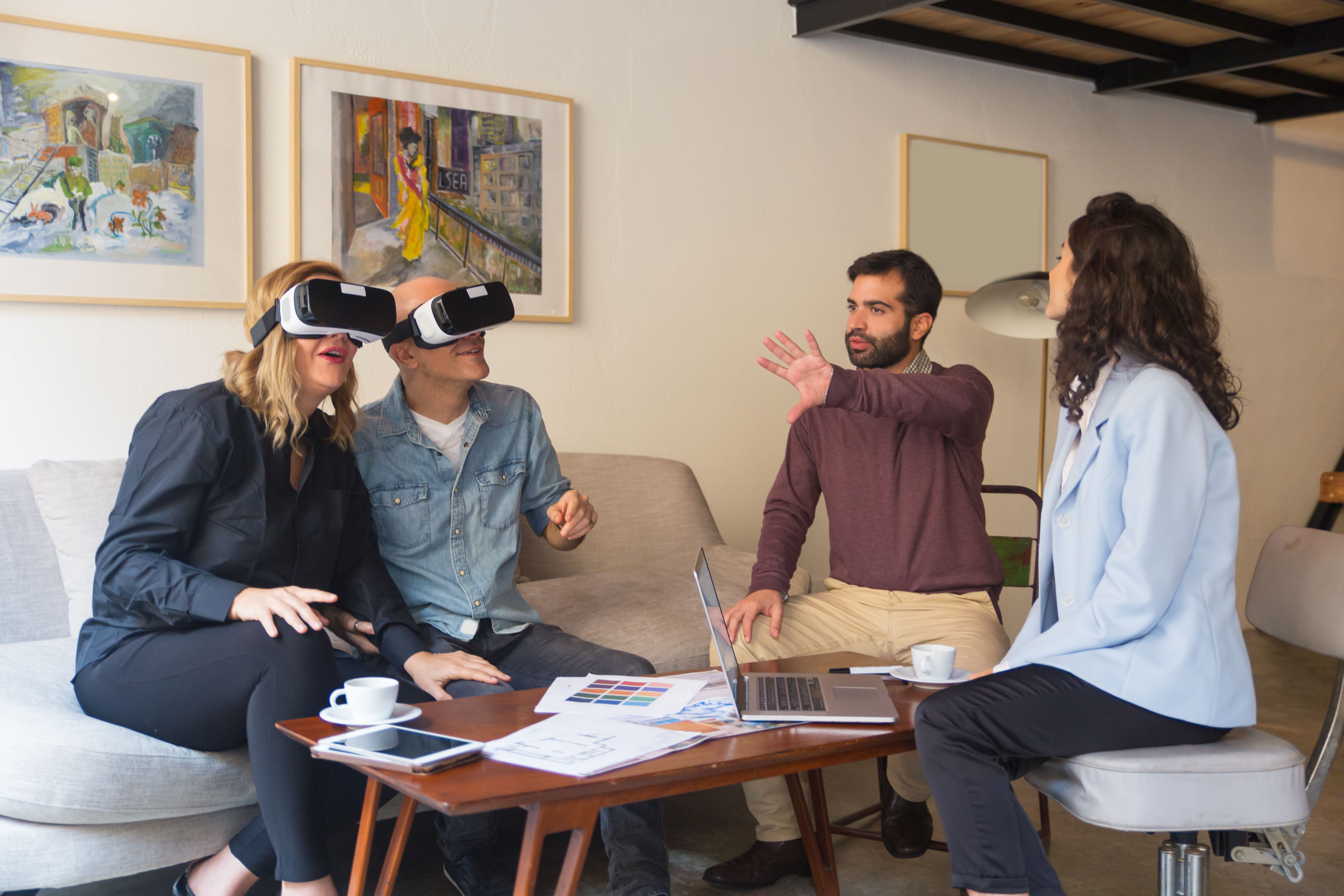
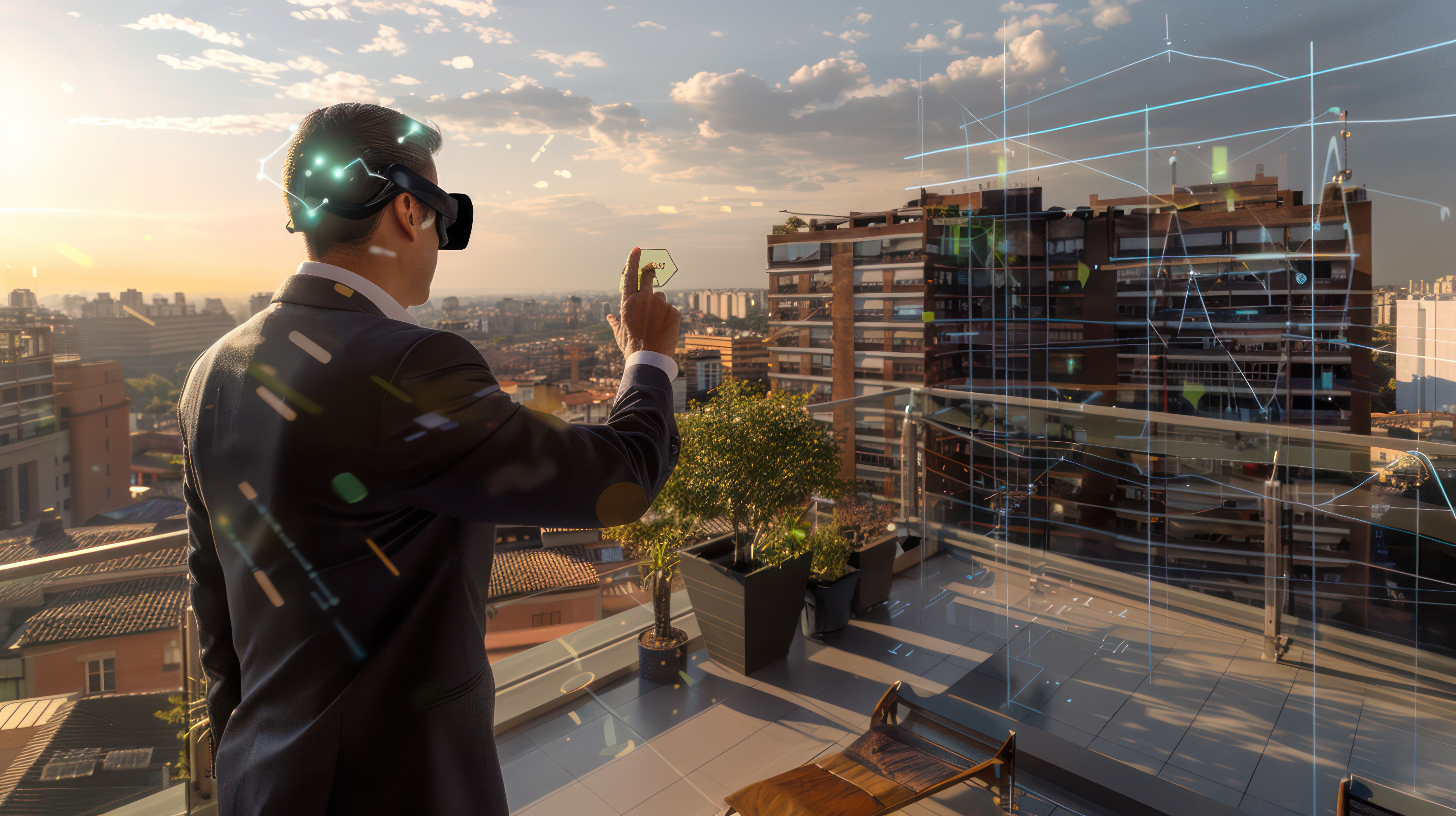 Client using virtual reality to visualize an off-plan property and exploring the project even before construction begins.
Where Virtual Reality Actually Changes the Game
Once virtual reality enters the process, everything shifts.Instead of imagining, buyers can walk through the units, look out the windows, understand proportions, and experience details that used to exist only as assumptions. And the impact is immediate.When people understand, they trust. And when they trust, decisions come faster. A surprising number of lost or delayed deals don’t happen because of lack of interest, they happen because of doubt.
Questions like:
“Will my furniture fit?”
“Is that really the view?”
“Is the space actually that size?”
These aren’t objections.
They’re signals. Signals that the buyer doesn’t fully understand what they’re seeing. There’s a well-known idea in consumer behavior: “People don’t avoid hard decisions,they avoid unclear ones.”And that’s exactly where VR makes the difference. It closes the gap between what’s shown and what’s actually understood.
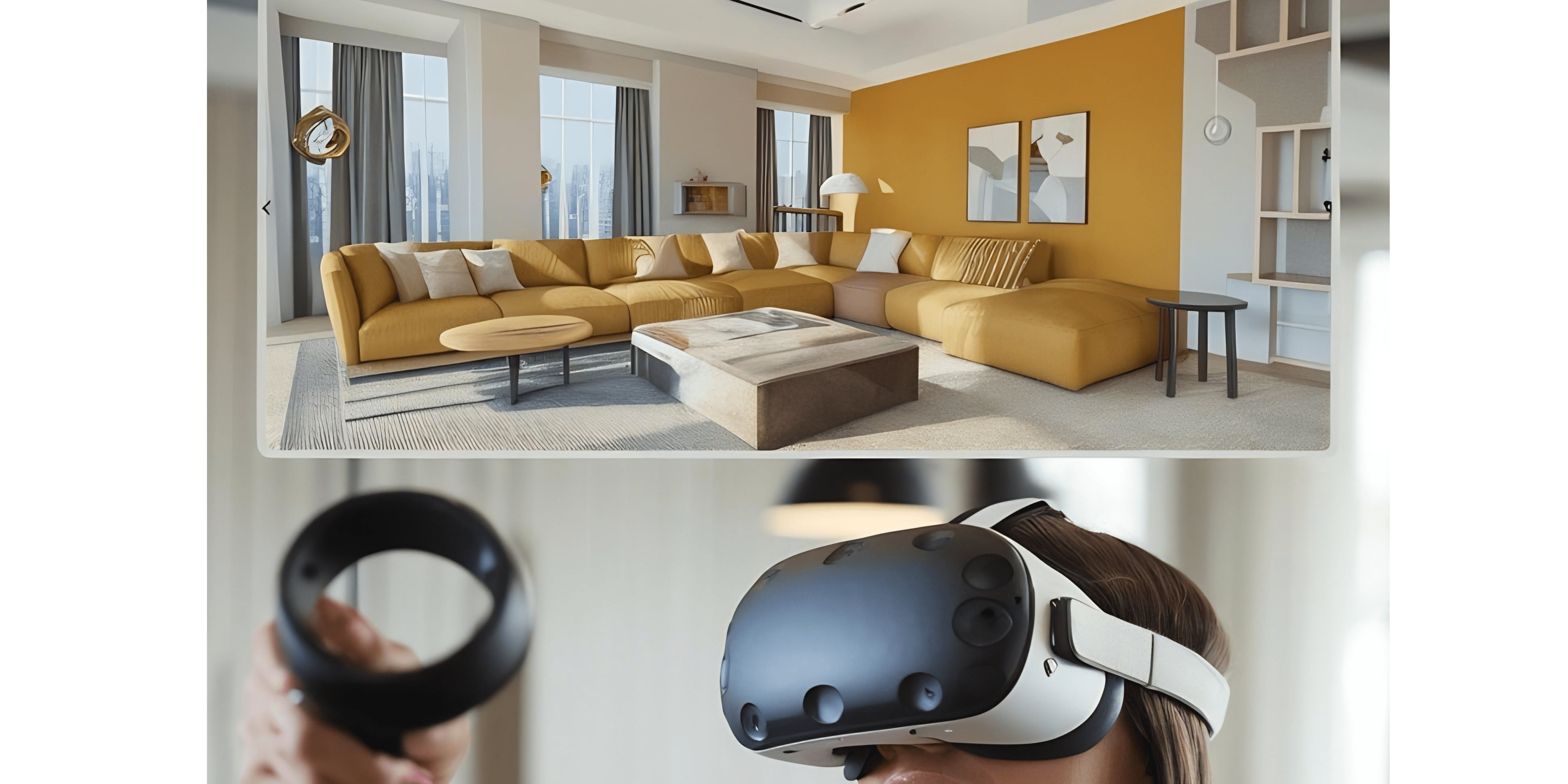 Person exploring a unit through a virtual tour the customer stops imagining and starts experiencing.
Experience Isn’t a Detail, It’s What Drives the Decision
Buying a home has never been purely rational. There’s always an emotional layer.
Because people aren’t just buying square footage or location, they’re buying a feeling.
A sense of belonging. A vision of their future.A lifestyle.And that kind of connection can’t be explained.It has to be experienced. That’s where virtual reality completely changes the buying journey. By allowing buyers to explore units before they even exist, VR transforms how a project is perceived. The buyer stops observing and starts experiencing, and that shift dramatically increases engagement.
At this point, VR isn’t just a visual tool. It becomes a user experience strategy. Developers who use it don’t just present better, they stand out. They offer a smoother, more intuitive, more modern journey that aligns with what today’s buyer expects.
And that directly impacts sales. Buyers understand faster, which shortens the sales cycle.Fewer doubts mean less need for persuasion.
More clarity leads to higher conversion rates.Fewer unnecessary visits make the sales process more efficient.In practice, the role of the sales agent evolves too. Instead of explaining everything, they guide the decision.
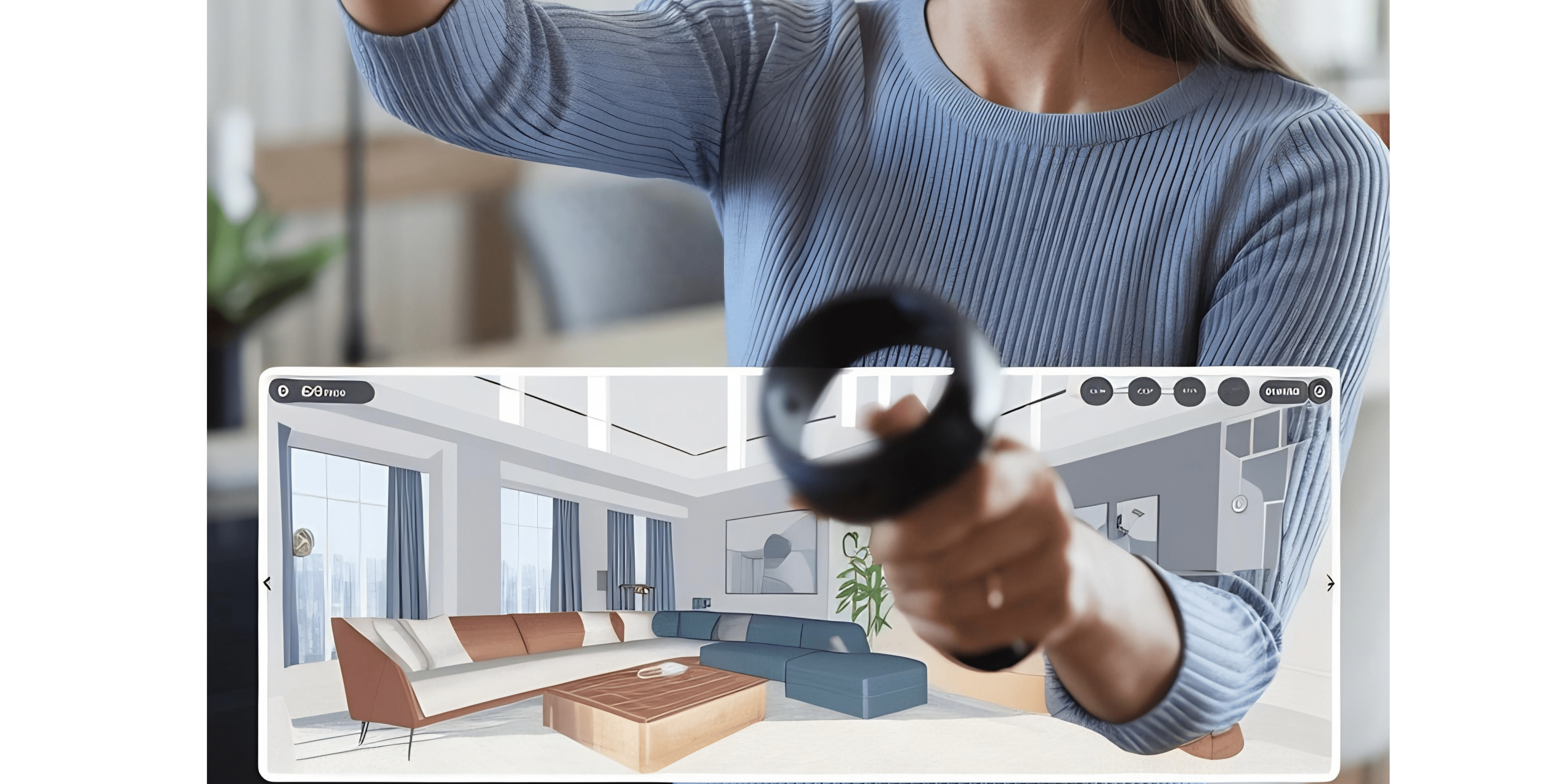 Instead of explaining everything, they guide the decision. The immersive experience allows you to visualize proportions.
And What About Physical Show Units?
They still have value. But they’re limited.One unit. One layout. One scenario.Everything else? Still left to imagination.Virtual reality expands that.It allows buyers to explore different units, layouts, finishes, and even views from different floors, all within a single experience.And it does that without the cost and time required to build a physical show unit.But there’s another shift happening here: reach.With VR, presentations are no longer tied to a sales office.
A single headset allows agents to present anywhere, in meetings, at events, to out-of-town buyers, or even international investors.That changes everything about how leads are generated and qualified.use of virtual reality increasing conversion in real estate sales
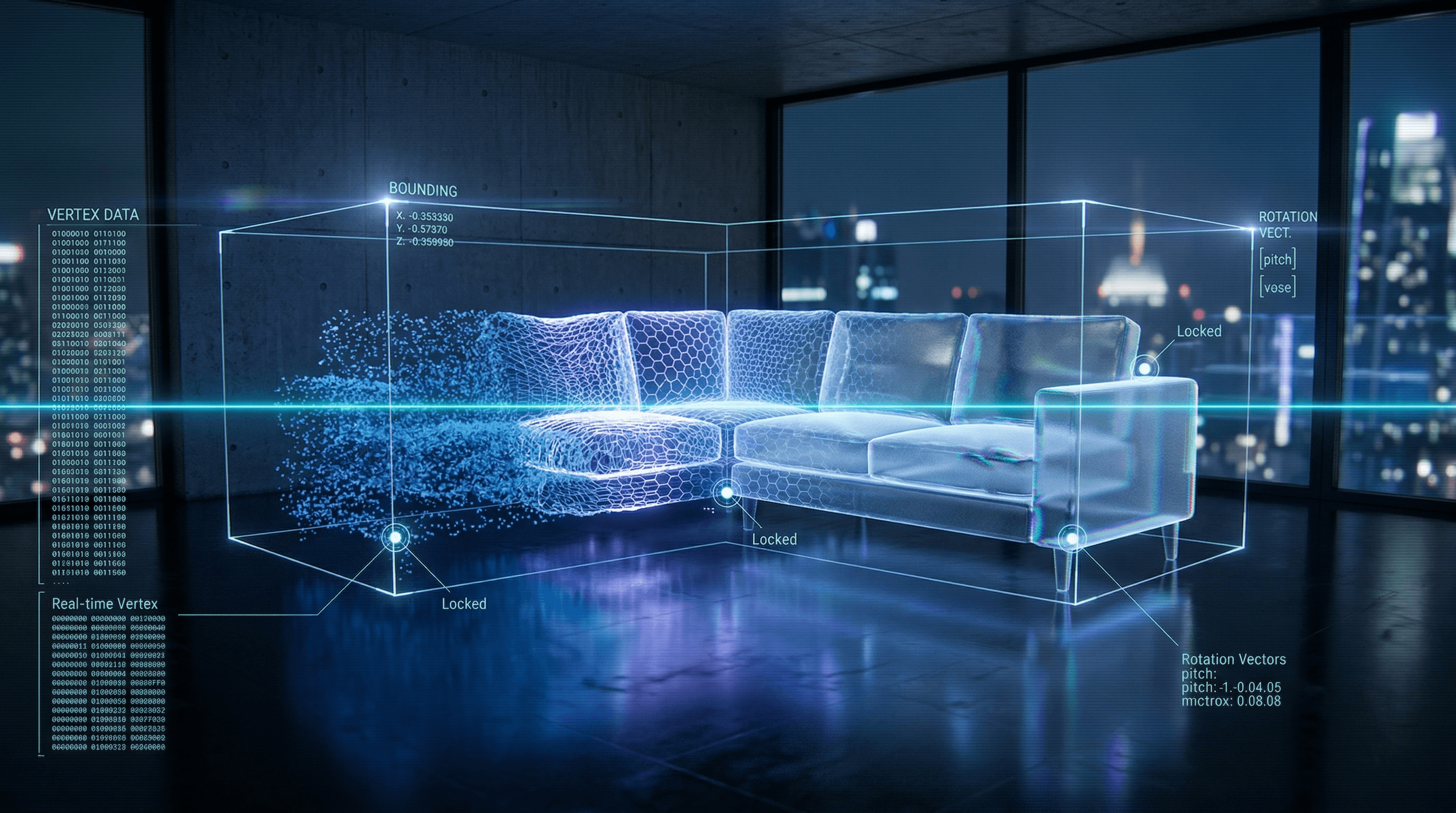 More than just visualizing, the client understands the space in real scale.
This Isn’t About Technology, It’s About Clarity
At the end of the day, virtual reality doesn’t stand out because it’s “innovative.”It stands out because it solves a real problem.Lack of clarity.And in a market where buyers are more cautious and selective, clarity becomes a competitive advantage.The rule is simple:The fewer the doubts, the faster the sale.
The real estate industry doesn’t need more “nice-looking tools.”It needs tools that actually help people decide.And right now, very few things impact decision-making as much as helping buyers truly understand what they’re buying.That’s exactly what VR does.It doesn’t improve the pitch.It removes the need for one.And maybe the real question isn’t whether you should adopt it…It’s how much it’s already costing you not to.
Technology brings the customer closer to the decision.